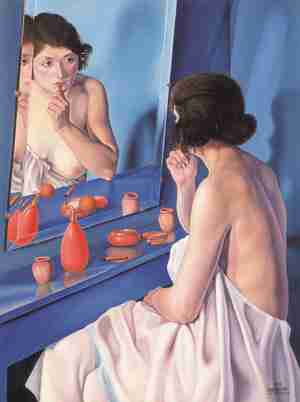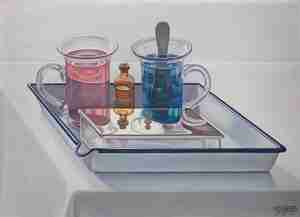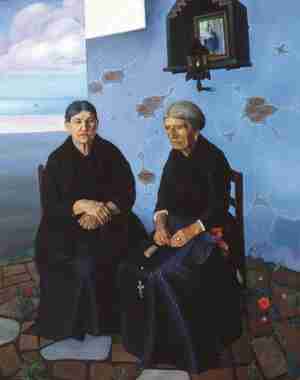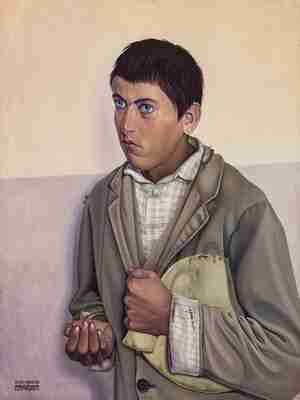
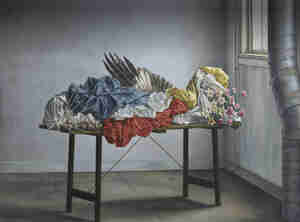
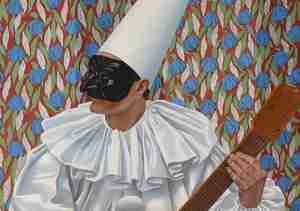
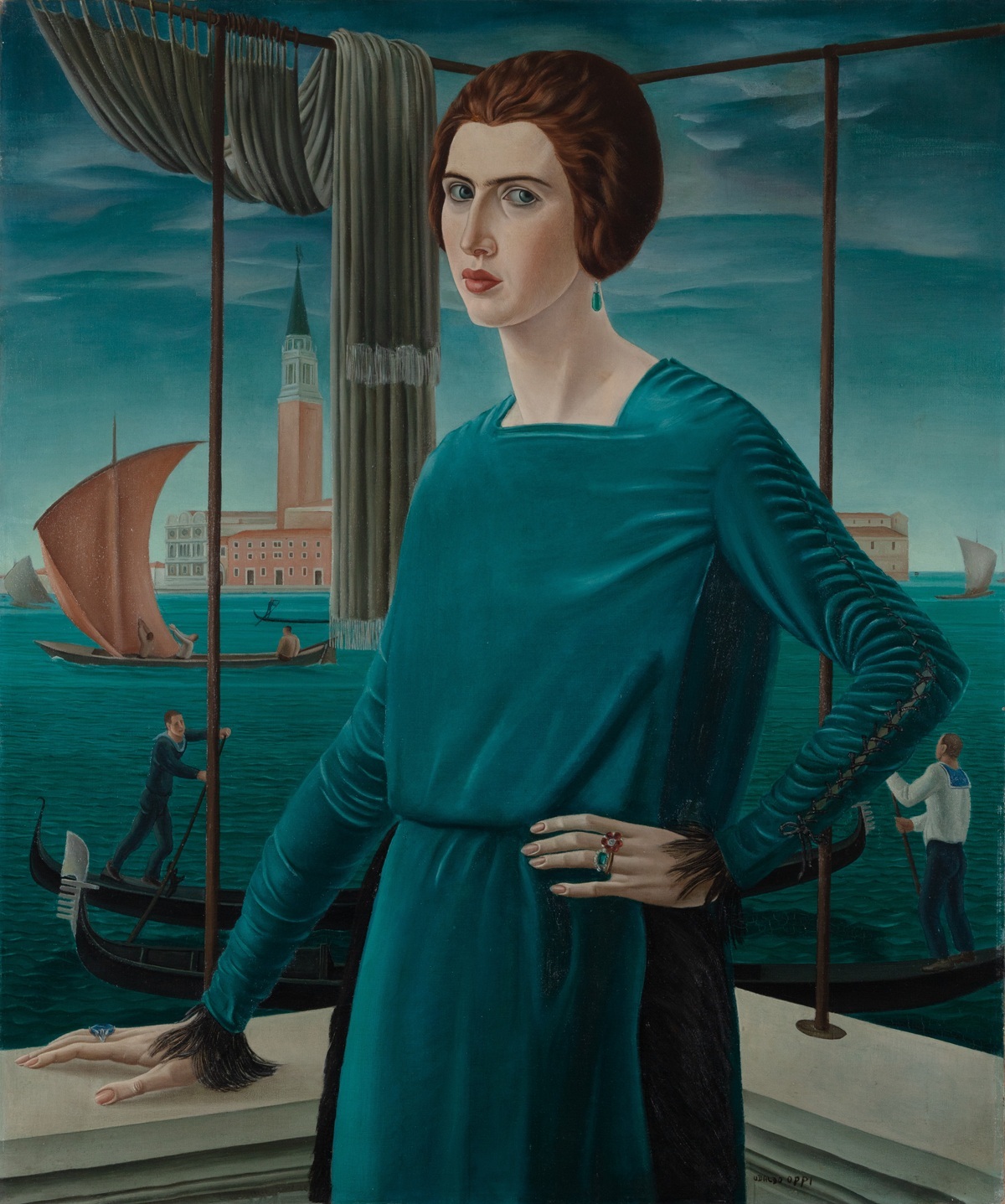
Museum MORE has partnered with 24 ORE Cultura to stage a major exhibition devoted to 50 years of Italian realism. Magico! features 70 selected works that introduce the Dutch public for the first time to developments in 20th-century modern realist painting in Italy. The exhibition includes important works by artists like Edita Broglio, Felice Casorati, Giorgio de Chirico, Cagnaccio di San Pietro, Antonio Donghi, Leonor Fini, Domenico Gnoli, Ubaldo Oppi and Gino Severini.
Exhibition at Museum MORE in Gorssel from 14 February to 7 June 2026
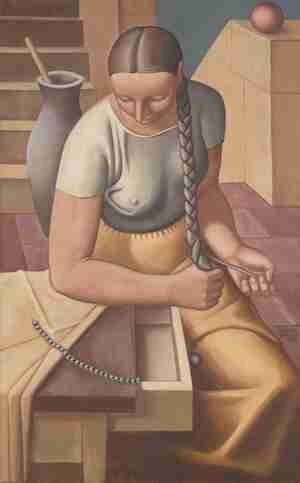
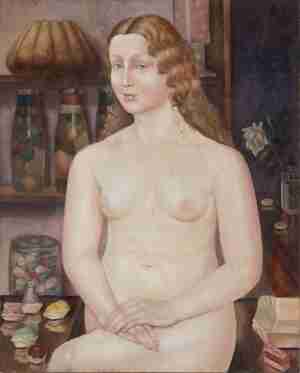
Mystical truth
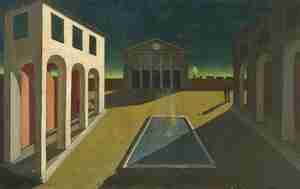
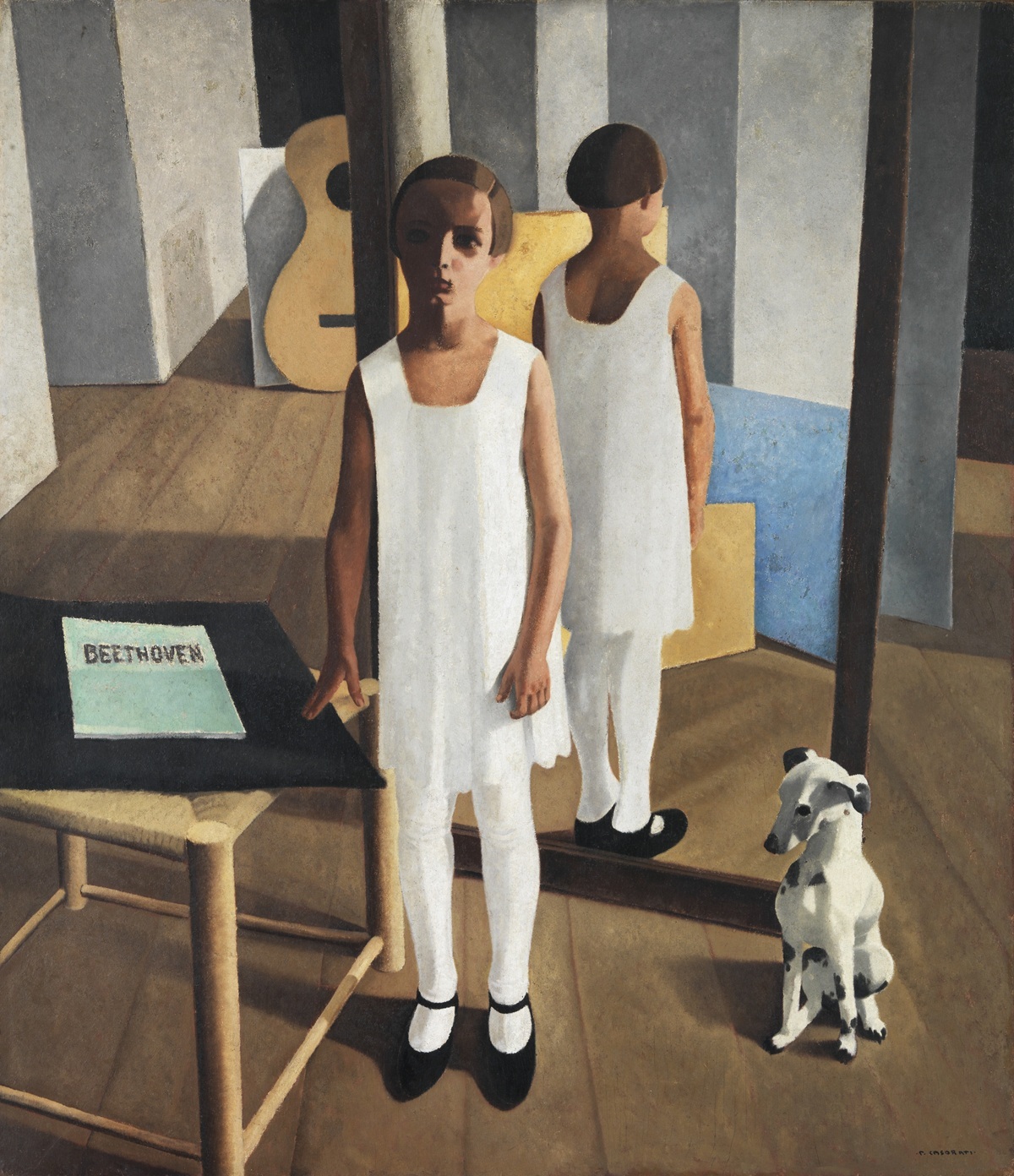
From the early 1920s, an Italian artistic vanguard began to represent the world around them in a manner that was magical, poetic and alienating, yet at times also crystal-clear. Their new perspective on reality formed part of a broader trend throughout Europe to (once again) create realistic art. Rather than a reactionary return to ‘old-fashioned’ artistic modes, however, it was born from a need to express an alternative sensibility and a new world view. Not least because – in the eyes of some artists –abstraction had failed to convey the horrors of the First World War. Adopting a critical distance, these artists fused their own experiments with the traditions of their predecessors to form a unique visual language. The painting that resulted was frequently intense and enigmatic, precise and technically perfect.
In the 1920s and 30s, artists travelled to Germany and France, but certainly to Italy, to seek inspiration in each other’s work as well as in that of old Italian masters like Piero della Francesca and Giotto. Widely viewed as the cradle of European art, Italy provided extremely fertile ground in which Realismo Magico could flourish.
While not constituting a movement or school as such, Italian realism from the interwar period often has a subtly different flavour than, say, German Neue Sachlichkeit. Where some German artists confronted the viewer with an uncompromisingly raw or bleak vision of their subject matter, many Italian neorealists sought a ‘mystical truth’ behind the perceptible.
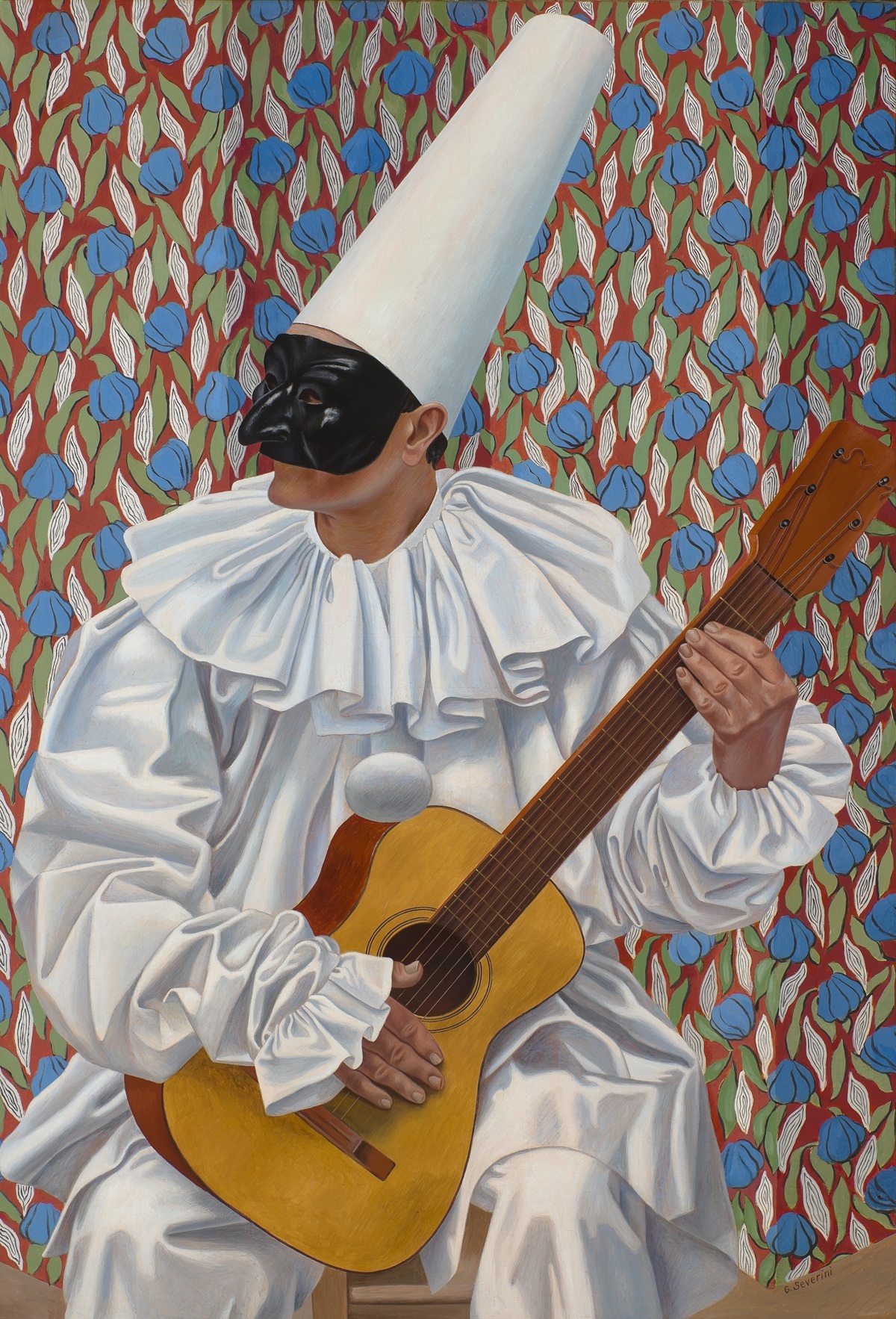
Enchanted gaze
The concentrated still lifes, deserted landscapes, cityscapes and (group) portraits by leading painters such as Felice Casorati, Cagnaccio di San Pietro, Antonio Donghi, Ubaldo Oppi and Gino Severini seem to contain a hidden beauty. They render the everyday almost iconic. In some cases with vivid depictions of figures such as toiling workers or dignified officials. And often with images that are ostensibly serene or frozen in time, lending an extra charge to situations, people or static objects –laboratory glassware, for instance – that you might otherwise pass by without a second glance. These Italian artists draw you into the wonder they feel towards the rationally perceptible world, towards the here and now. At the same time, they offer the viewer a mystery concealed within mathematically constructed paintings. Yet Realismo Magico is anything but an exact methodology with artistic rules: in the 1920s, it was more an emotional vision with a broad palette of expression. What the Magic Realists of that time shared above all was an ‘enchanted gaze’ – a gaze on the cusp between dream and reality.
Radical and iconic
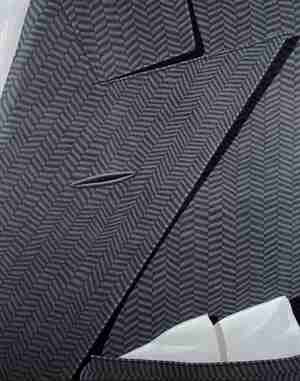
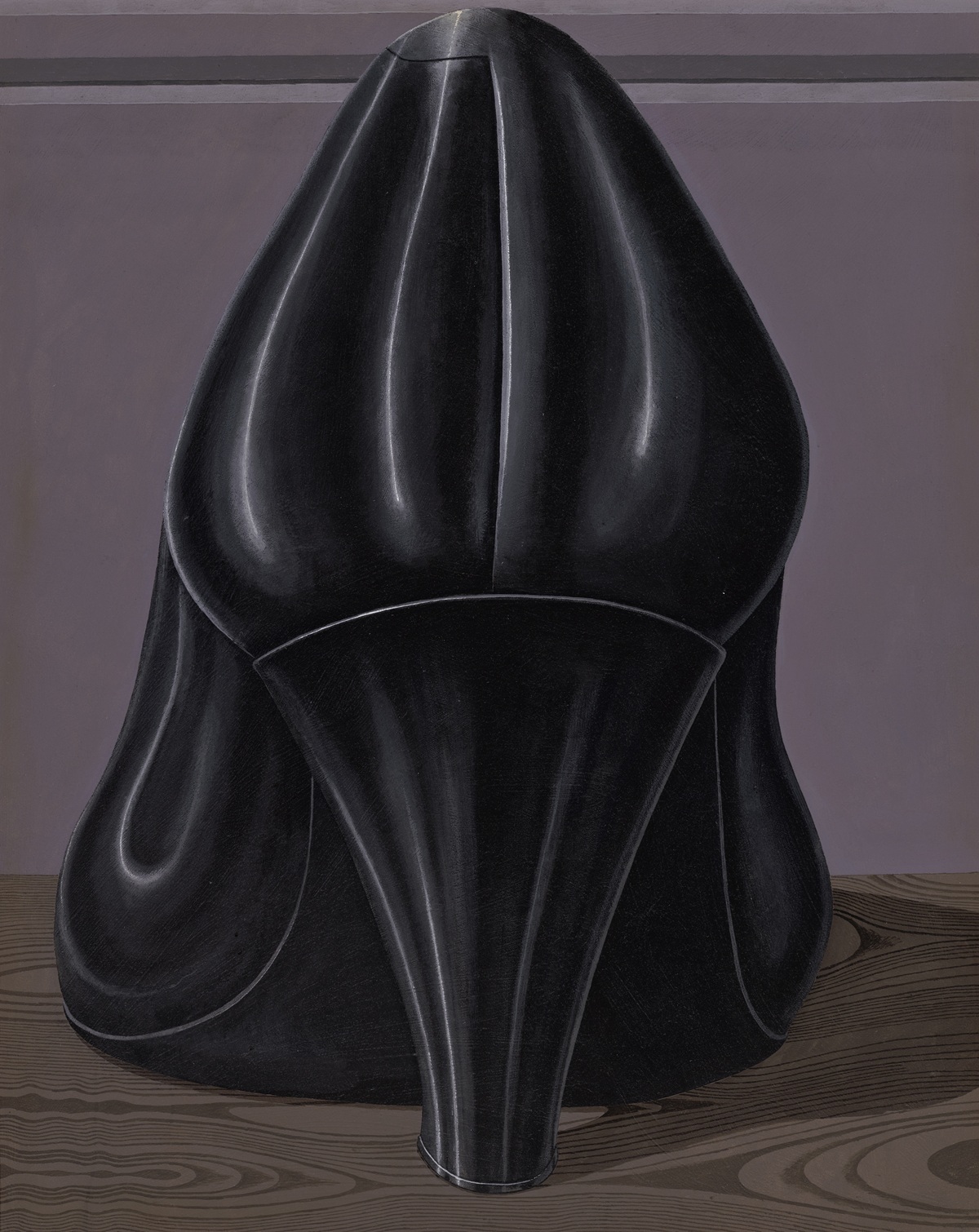
Various Italian artists continued to adhere to a realist visual idiom of their own after the Second World War. At a time when abstract art was becoming the norm throughout Europe, they sought to preserve and renew the traditions of Italian painting. Several unique Italian artists swam against the tide, among them Domenico Gnoli, who fundamentally revitalized figurative painting. While craft and skill formed the technical basis of his work too, he stretched the genre of the still-life to an extreme. He took the magical essence of ‘the thing’ and blew it up into a monumental representation of a single detail. In Gnoli’s painting, a woman’s shoe or part of a jacket lapel became new icons in a new, post-war world – frame-filling, grandiose and fleeting.
Artists in Magico!
Pietro Annigoni, Baccio Maria Bacci, Rino Gaspare Battaini, Edita Broglio, Mario Broglio, Antonio Bueno, Xavier Bueno, Cagnaccio di San Pietro, Massimo Campigli, Felice Casorati, Ugo Celada da Virgilio, Giorgio de Chirico, Stanis Dessy, Antonio Donghi, Leonor Fini, Oscar Ghiglia, Domenico Gnoli, Renato Guttuso, Mario Lannes, Bice Lazzari, Carlo Levi, Nella Marchesini-Malvano, Daphne Maugham-Casorati, Ubaldo Oppi, Mario Reviglione, Carlo Sbisà, Gregorio Sciltian, Alfredo Serri, Gino Severini, Cesare Sofianopulo, Mario Tozzi, Giuseppe Zancolli.
Book
Museum MORE’s exhibition Magico! Italian Realism 1920–1970 presents a rich spectrum of outstanding works by over 30 artists, including important neorealist names alongside rediscovered paintings by pioneering women, who have only recently begun to receive the attention they deserve.
Valerio Terraroli, Professor of Art History at Verona University, is the guest curator, in consultation with General Director Maite van Dijk and Curator Julia Dijkstra of Museum MORE. The exhibition is accompanied by a richly illustrated book with an essay and thematic texts by Prof. Terraroli, published in a bilingual (Dutch/English) edition by WBooks.